Backrooms: Layers of Derivative Work

The Backrooms IP controversy illustrates a recurring challenge for entertainment and technology companies: how to enforce rights in a derivative film without overreaching into a shared online ecosystem.
The Backrooms as Multi‑Layer IP
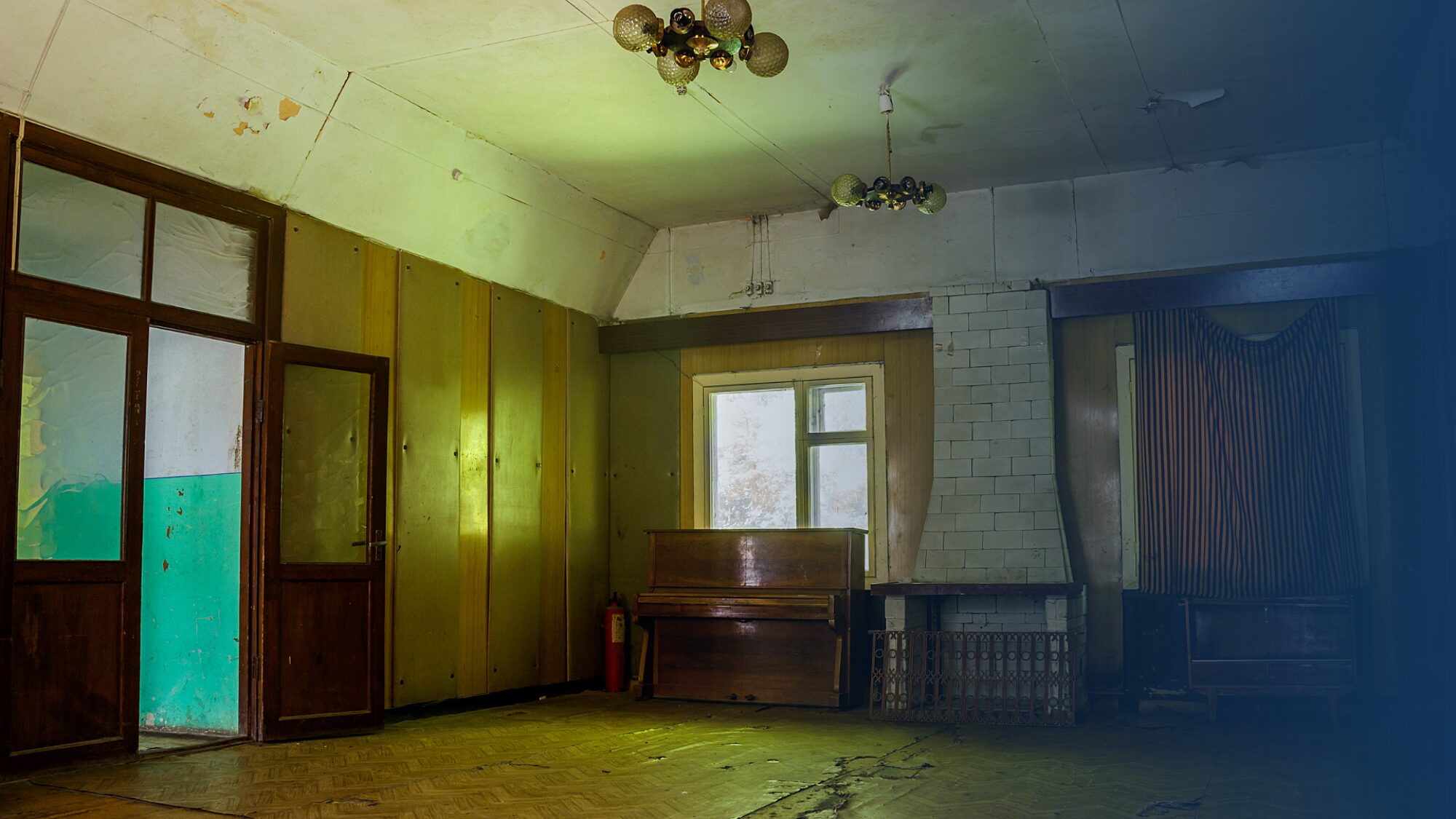
The Backrooms originated as an anonymous 2019 “creepypasta” post; an image and short text describing endless yellow office rooms and “noclipping” out of reality. That post on the 4chan website quickly evolved into a collaborative horror setting that spread across wikis, forums, videos, and games.
Director Kane Parsons then created his own Backrooms shorts on YouTube, adding distinctive camera work, narrative structure, and expanded lore. A24’s feature film builds on Parsons’ work and the broader concept, introducing a new script, performances, production design, and marketing assets. Each of these layers contains copyrightable expression, but they exist against a backdrop of widely shared ideas and aesthetics.
What Derivative Work Protection Actually Covers
Under U.S. law, a derivative work is a new creation based on one or more pre‑existing works such as a motion picture adaptation of a book. The key point for rights‑holders is scope: copyright in a derivative work protects only the new original expression contributed by the derivative author. It does not convert underlying ideas, public‑domain material, or third‑party expression into property of the author of the derivative work.
For Backrooms, that means A24’s film is protected as to its specific audiovisual content: scenes, dialogue, cinematography, performances, score, and promotional materials. Those elements can be enforced against direct copying and closely imitative uses. The studio’s rights do not extend to the general Backrooms concept (liminal yellow rooms, noclipping, office‑space horror) or to earlier works that do not reproduce protected content from the film.
Enforcement Overreach and Course Correction
Recent reporting described takedown notices and copyright claims directed at Backrooms‑inspired art and indie games that predated the film or were otherwise unrelated to its specific footage or marketing assets. Parsons publicly acknowledged that such enforcement “should not be happening” and engaged with the studio. A24 subsequently attributed the issue to outsourced automated enforcement aimed at film piracy, moved to reverse the claims, and clarified that it does not claim ownership over the original post, the yellow‑room imagery, or the wider community works.
The episode underscores two risk areas for in‑house counsel and rights‑holders:
- Copyright registrations and internal rights descriptions must accurately reflect the limited scope of derivative‑work protection.
- Automated enforcement tools should be configured and supervised to avoid treating a title or concept as a universal rights flag for an entire online genre.
Practical Takeaways for Studios and Creators
For studios, streamers, and production companies:
- Draft internal documentation to distinguish clearly between protectable film content and unprotectable concepts or upstream material.
- Ensure enforcement vendors and automated tools focus on identifiable film assets (footage, stills, scripts, logos), with human review for legacy or community works.
- Treat fan ecosystems as strategic partners in long‑term IP value, not as default infringement targets.
For creators and rights‑holders building on internet horror and similar genres:
- Secure licenses for identifiable upstream works where needed, while recognizing that underlying ideas and tropes remain outside copyright’s reach.
- Design enforcement as part of an integrated IP and communications strategy, calibrated to preserve goodwill in communities that help sustain the property.
Backrooms is unlikely to be the last major adaptation drawn from online horror. As more projects move from online culture to motion picture, a disciplined understanding of derivative‑work limits and careful alignment between legal rights and enforcement practices will be essential to protecting both intellectual property and brand equity.
This entry was posted on Thursday, July 23, 2026 and is filed under News, Internet Law News.